Hatebreed.mp3 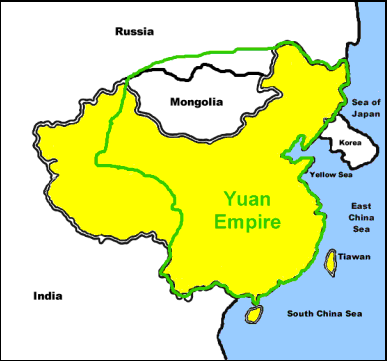 Overview Kublai Khan (1215-1294) was the grandson of the famous Genghis Khan. Kublai developed and ruled the Yuan Dynasty as he connected the territories conquered by previous Mongol raids. Kublai wanted to create an administrative empire. He sought to govern as opposed to continually exploiting those regions. Kublai took the title of the "Great Khan" with Khan meaning king. He was the first non-Chinese ruler to dominate all of China. He eliminated the last remnants of the Chinese Song Dynasty. Once Kublai conquered a region, he was smart and wise enough to tolerate the religions and to create of rule of law to govern the conquered people. This established a good relationship between Kublai and his people which prepared him for a long-lasting reign of power. Kublai established paper currency, creatively planned and improved roads, and expanded waterways. He even moved the capital from Mongolia to the Chinese city of Dado which is where modern day Beijing is located. Unfortunately, the paper currency that he produced created inflation, and his efforts to conquer Japan cost his government too much money. The Mongolians got mad at Kublai for moving the capital out of Mongolia, so they pressed to seize power from him. The different ethnic groups started fighting with each other and Mongolian nobles sought to oust him. Once Kublai Khan died in 1294, the Yuan Dynasty completely disintegrated. Resources http://www.thenagain.info/webchron/china/kublaikhan.html http://asianhistory.about.com/od/mongolia/p/Kublai-Khan-Biography-Of-The-Great-Khan.htm http://www.history.com/topics/kublai-khan 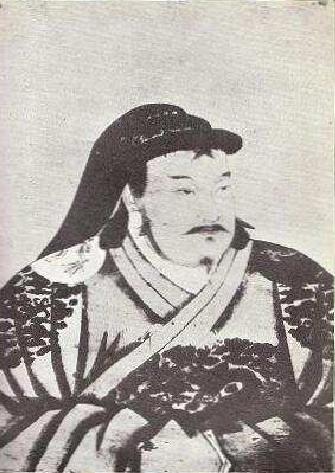 Images and Sounds Map of Yuan Dynasty. http://numismondo.com/pm/chn/yuan/Chn%20Yuan%20map.gif Image of Kublai Khan. http://www.answers.com/topic/kublai-khan The mp3 Hatebreed that is used throughout this webpage is from www.freeplaymusic.com, Battle Themes, Volume 3. It is added here as mood and tone music. Images: 1. Post with Dragons on a Floral Ground 2. Mahakala of the Tent
|
||||
